AI in the Workplace

Videos

ASSESSMENTS

Career Portfolio projects

Fits into any course

Platforms

PC, Mac, Chromebook,

Length

5+ hours - Easy integrated into any class

Industry Certification

Available

Contact Us

AI in the Workplace Curriculum

Transform Your Students into "AI Pilots"—Irreplaceable Professionals in a Post-AI World.


In the current global economy, Artificial Intelligence (AI) is no longer a niche tech skill; it is a fundamental requirement for employability. Industry data from 2026 reveals a staggering reality: 66% of business leaders will not consider applicants who lack AI skills.


Furthermore, job postings requiring AI expertise are growing 3.5 times faster than traditional roles, often commanding wage premiums of up to 25%. Our AI in the Workplace curriculum is a complete, ready-to-use program designed to fit seamlessly into any CTE pathway, from automotive technology to healthcare and professional services. This curriculum is 100% browser-based and requires no prior AI experience from the teacher or the student. It is designed for maximum hardware equity across all school districts.


Why Every CTE Pathway Needs an AI Integration

1. Rapid Deployment: From Zero to Certified in 5–15 Hours

We understand that the 2026 school year is already packed with rigorous requirements. That’s why we designed this course for easy integration. It acts as a "plug-and-play" module that can be completed in as little as five hours of class time. Whether it’s a standalone career readiness class or an added layer to a marketing or engineering course, students can earn an industry-recognized micro-credential without disrupting your existing scope and sequence.


2. Practical "Prompt Engineering" for Real-World Trades

We move beyond the hype to teach students how to use Generative AI and Large Language Models (LLMs) as professional tools. Through the CRAWL, WALK, RUN method, students master Prompt Engineering—the art of crafting precise, professional-grade instructions for AI systems. We provide career-specific simulations where:

  • Entrepreneurs create SWOT analyses.
  • Marketers develop complex strategy documents.
  • Landscape Designers optimize plant selections and ROI estimates.
  • Automotive Technicians generate professional service summaries and resumes.


3. Ethics, Privacy, and Critical Thinking

An "AI Pilot" is only effective if they understand the limitations of their tools. Our curriculum emphasizes Critical Thinking to help students identify and mitigate AI bias. We cover the essential ethics of data privacy and information security, ensuring students don't just use AI, but use it responsibly. By combining their "Domain Knowledge" with AI capabilities, students learn how to avoid common AI missteps like over-reliance or the misinterpretation of outputs.


The Learning Journey: What Your Students Will Achieve

Through hands-on, project-based learning, students build a professional AI portfolio:

  • Generative AI Mastery: Collaborating with LLMs for creative and technical tasks while understanding best practices for high-quality outcomes.
  • Efficiency & Productivity: Learning how AI reshapes the workforce and how to leverage it to increase individual job performance and productivity.
  • Communication & Collaboration: Strengthening the language skills needed to guide AI systems effectively, avoiding common missteps in professional communication.
  • Industry Certification Readiness: Preparing for the AI in the Workplace Certificate, a credential that proves to employers that a candidate can leverage AI for increased efficiency and adaptability.

Make Your Students Future-Proof Today.

The "Staffing Crisis" in CTE shouldn't prevent your students from accessing the most critical skill of the decade. With CTeLearning’s auto-graded, expert-supported AI curriculum, any teacher can facilitate a high-level technology course. Help your students earn the credentials that the 2026 labor market demands.


Request Your Free Demo Todayand experience the 2026 guide to AI workplace literacy.

  • What Teachers Can Expect Their Learners to Achieve

    What Teachers Can Expect Their Learners to Achieve:


    1. Develop Critical Thinking to Identify and Mitigate Bias in AI: Engage students in project-based learning that encourages them to explore how AI systems can reflect biases, using critical thinking to devise strategies for minimizing their impact.


    2. Understand Best Practices for Ethical and Data Privacy Considerations: Through project-based learning, teach students best practices for handling ethical issues and data privacy, ensuring they apply these principles in real-world AI applications.


    3. Enhance Career Readiness by Exploring AI’s Role in Workforce Evolution: Prepare students for future-ready careers by involving them in projects that examine how AI is reshaping the workforce, highlighting career pathways and the skills they will need.


    4. Strengthen Communication Skills by Learning How to Guide AI: Through collaborative projects, students will enhance their communication skills, learning to instruct AI systems effectively and avoid common missteps.


    5. Master Generative AI and Large Language Models (LLMs) for Creative Collaboration: Encourage students to collaborate on AI-driven projects that foster creativity, using generative AI while understanding its limitations and best practices for effective use.


    6. Apply Critical Thinking to AI Use Cases in Real-World Scenarios: Engage students in project-based learning where they identify real-world scenarios for AI, using critical thinking to apply AI solutions and refine their understanding of best practices.


    7. Prepare for Future-Ready Careers by Understanding AI’s Rapid Growth and Industry Impact: Through project-based learning, equip students with knowledge about AI’s rapid development and industry-wide influence, ensuring they are ready for future career opportunities.


    8. Explore AI’s Role in Career Pathways Across Diverse Industries: Help students discover new career pathways through projects that demonstrate how AI is being used across various industries, building their career readiness.


    9. Create AI Projects Using Best Practices for Effective Collaboration: Guide students through project-based learning to develop AI prompts and systems, following best practices and fostering collaboration for successful outcomes.


    10. Leverage Domain Knowledge and Critical Thinking to Avoid AI Missteps: In project-based learning, students will combine domain expertise with critical thinking to guide AI effectively, ensuring they avoid over-reliance or misinterpretation of AI outputs.


    11. Follow the CRAWL, WALK, RUN Method to Build Future-Ready AI Projects: Teach students to apply the CRAWL, WALK, RUN method to their AI projects, using project-based learning to progressively build their skills and prepare for real-world challenges.


    12. Gain Expertise in AI Platforms for Career Readiness: Through hands-on, project-based learning, provide students with practical experience using AI platforms, preparing them for career pathways that demand AI knowledge.


    13. Solve Problems with AI Through Collaboration and Critical Thinking: Engage students in collaborative, project-based learning where they apply AI to solve real-world problems, emphasizing critical thinking and teamwork to optimize outcomes.


    14. Prepare for the AI in the Workplace Industry-Based Certificate for Career Readiness: Through project-based learning, help students work toward earning an industry-recognized certification, demonstrating their career readiness and proficiency in AI technologies.

  • Course Specifications

    • Platforms :PC, Mac, Chromebook
    • Length : 6 -15 hours
    • Career Cluster : Supports All Career Pathways
    • Industry Certifications : Available
    • Level : High School, Post-Secondary
    • Course Delivery : Blended Learning, Online
    • Student Competitions : none
    • CEUs : Available for Teacher Training
    • Prerequisites for Facilitator : None
    • Prerequisites for Students : None
    • 3rd Party Tools : Provided Free
  • How Does this Course Prepare Students for the AI-driven Economy?

    We teach students to become "AI Pilots," using generative tools to enhance their productivity in fields like marketing, business, and software development.

  • What is "Prompt Engineering"?

    Students learn the art and science of prompting—crafting precise instructions for AI to generate accurate, high-quality professional results.

  • Is this Course Updated for 2026 AI Trends?

    Yes. Our curriculum is live-updated to reflect the latest shifts in LLMs and AI workplace integration, ensuring students learn the most current tools.

Our Education Blog

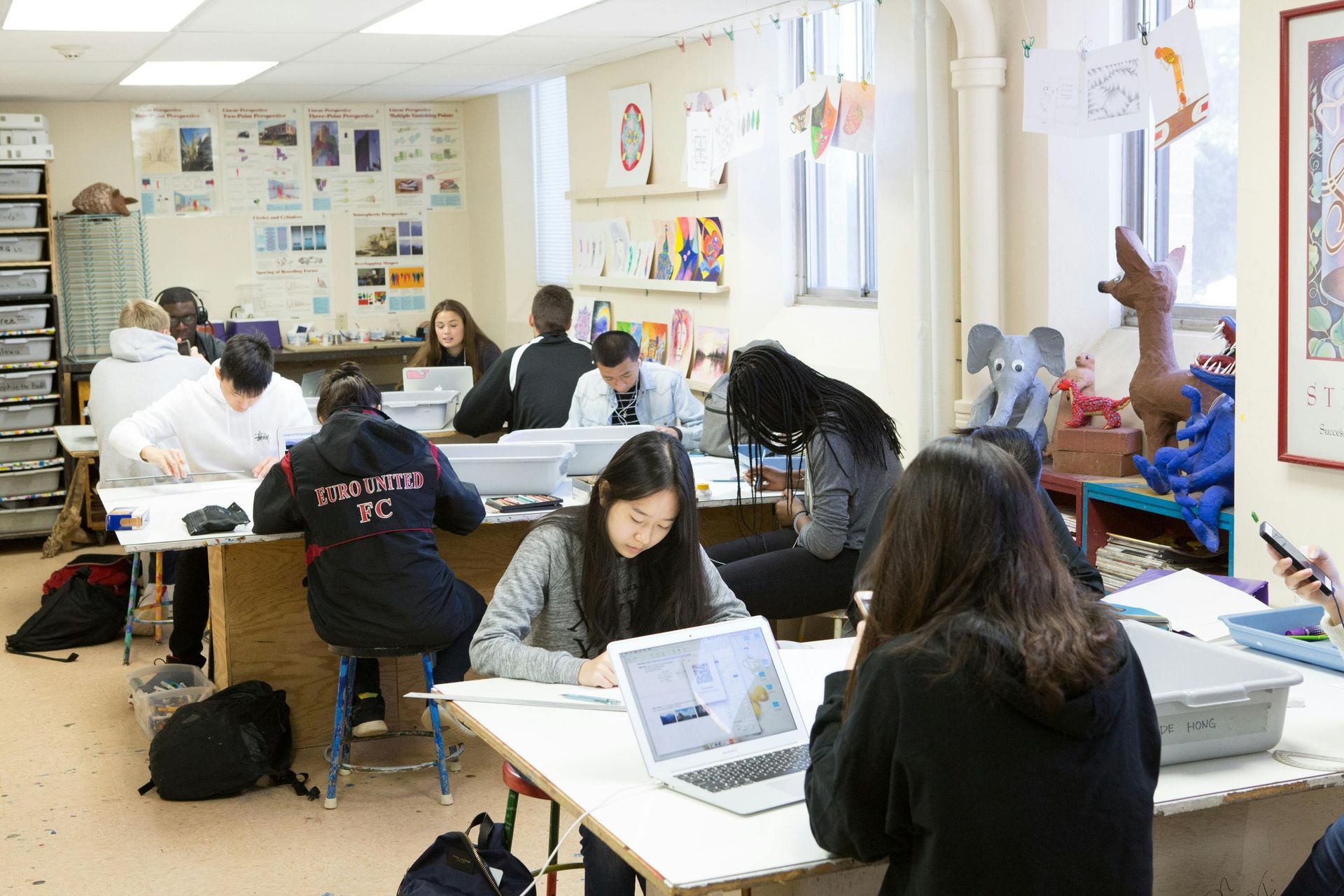
Students in CTE classroom
By Steve Waddell April 2, 2026
Overcome the CTE teacher shortage. Learn how to launch high-demand career pathways in weeks using your existing staff.
Green Web Standards and Lean Code concept for sustainable CTE curriculum
By Steve Waddell April 1, 2026
Discover how Green Web Standards and "Lean Code" are transforming 2026-2027 CTE pathways. Learn to build high-performance, eco-friendly sites for modern STEM labs.
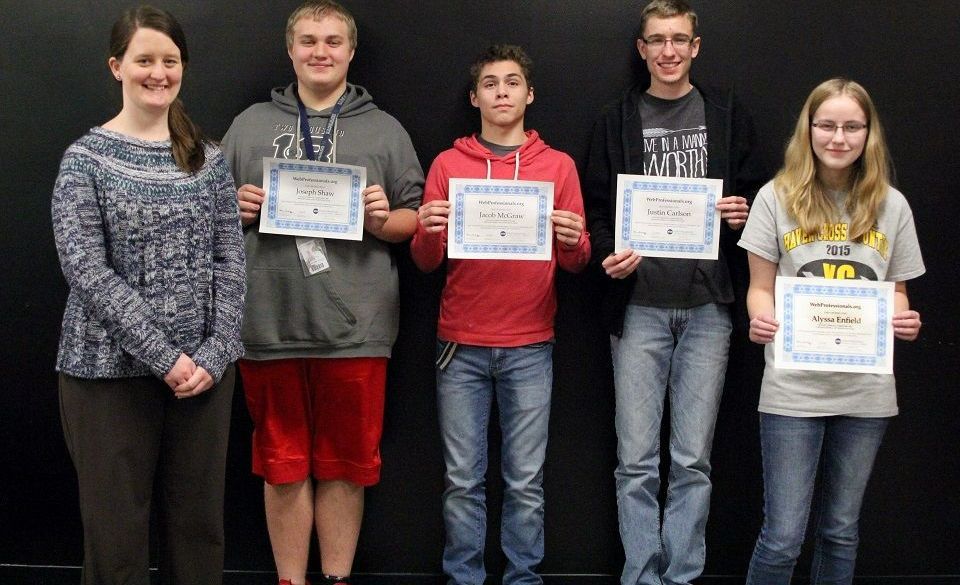
Students with certifications at Haven High School, Kansas
By Steve Waddell March 24, 2026
Discover how stackable industry-recognized credentials (IRCs) secure Perkins V funding and provide career pathways for middle and high school STEM students.
By Steve Waddell March 20, 2026
Boost your 2026 CTE pathway with browser-based Web & Mobile Game Design. Secure Perkins V funding with industry-recognized certifications and a 94% pass rate.
By Steve Waddell March 13, 2026
CTeLearning helps middle schoolers create professional-grade portfolios validated by industry standards, giving them a head start on high school certifications.
By Steve Waddell March 5, 2026
The 2026-2027 Principles of IT course is a Chromebook-ready intro for middle and high school students that serves as a springboard to Animation, Game & Web Design.
VIEW ALL BLOGS