




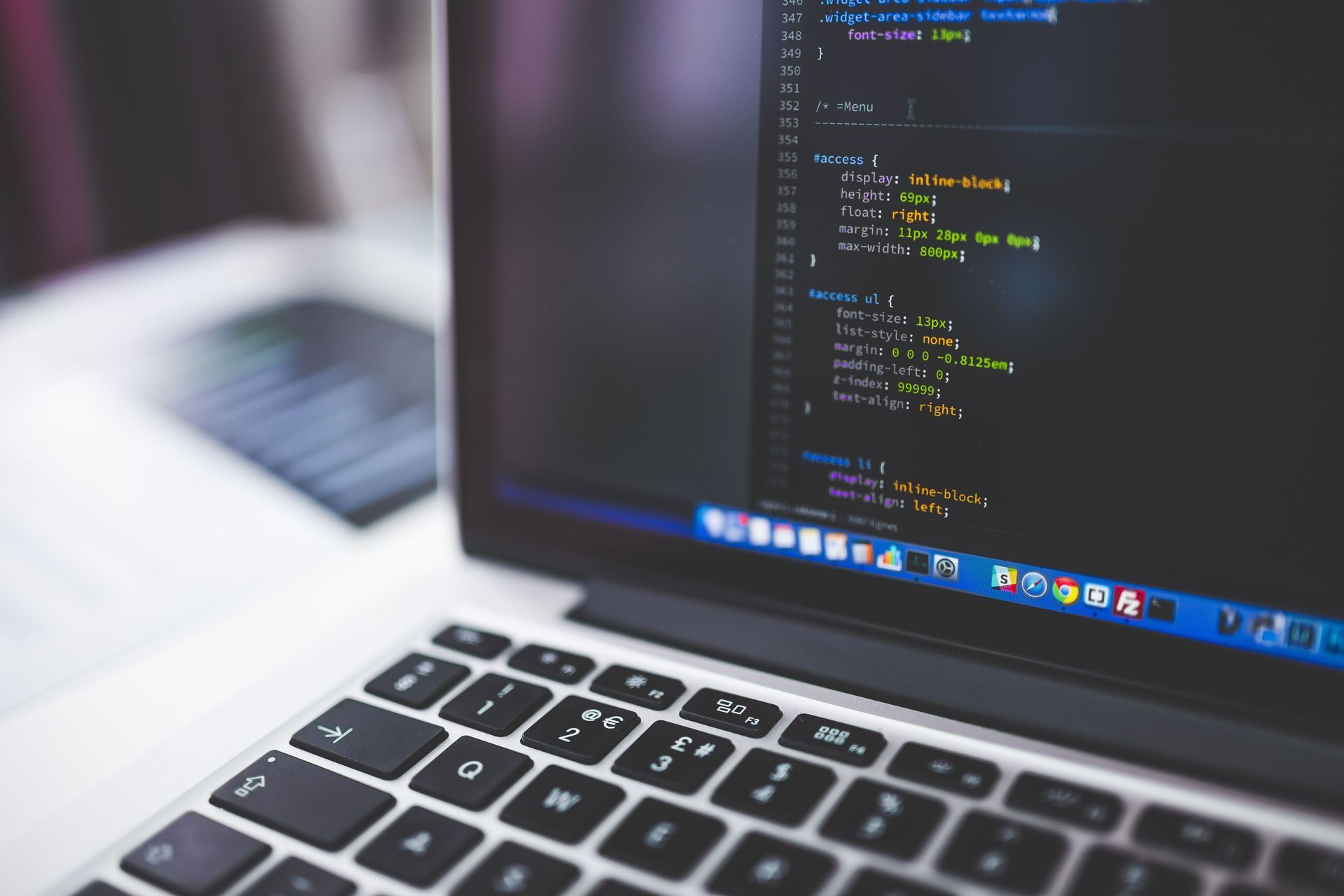






Online-Based Curriculum

Whether you are a big institution, small school or an individual seeking a new career path, our curriculum is for you.

REQUEST A FREE DEMO

Bootcamps

Our bootcamp courses are interactive and web-based, and can be completed on PC, Mac, Chromebook, iPad and smartphones. Bootcamps feature free creative tools and require no expert experience from school facilitators.

LEARN MORE >

MIDDLE/HIGH SCHOOL

Robust curricula that are media-rich, easy to facilitate, and project-based prepare your students with the hard and soft skills to succeed. You reward your students for classroom success with industry-recognized certifications in partnership with a third-party professional association.

LEARN MORE >

WORKFORCE TRAINING

Our workforce training courses offer learners the ability to improve on existing skills, learn brand-new skills, and pursue new career pathways—all while learning how to be a well-rounded professional ready to excel in the global workforce.

LEARN MORE >

Easy to Facilitate Online-Based Curriculum That Generates Success

Whether you are a big institution, small school, or adult learner, we have a course solution for you. Our career and technical education courses are fun, engaging and equip learners to excel on day one in the professional world.

Curricula We Offer

What's New for the 2024 - 2025 School Year?

Since 2003, we have enjoyed partnering with educators to create and deliver the most innovative career and technical education courses to equip students to succeed in school and prepare for life after secondary education. 


Our media-rich, highly interactive courses allow educators to deploy our curriculum without being subject experts. We strive to equip students with the soft skills, hard skills, training and certifications that will prepare them for the world—whether they pursue post-secondary education or enter the workforce. We do all of this while keeping learning fun, engaging and exciting.

REQUEST A DEMO

Welcome to CTeLearning!

Want to learn more? Click here to schedule your free demo with one of our curriculum development team.

Industry Certification: Our Approach

Our Courses Feature Integrated Professional Certifications

yellow line

All of our students—middle school, high school and adult learners—can receive professional industry certifications that are integrated into our courses. Find out more below. 94% of secondary students pass certification on the first attempt and 95% of adult learners pass certification on the first attempt.

OUR CERTIFICATIONS

Tablets, phones and every device.

Curriculum for Chromebooks and More

purple line

Our user-friendly curriculum performs well on mobile devices, tablets, Chromebooks, and PC and Mac laptops and desktops. Chat with us today to discover how we can help you and your students deploy engaging and turnkey courses today—no matter what technology setup you have.

REQUEST A DEMO

Testimonials

Teachers and students have had a lot to say about CTeLearning's easily accessible online curriculum for over a decade.

Cathy Costello – High School and Future Ready

Karimah Grayson - You Must be a Life Long Learner

Our Education Blog

Teachers and students have had a lot to say about CTeLearning's easily accessible online curriculum for over a decade. Click here to view full blog.

By Steve Waddell December 17, 2025
If you've recently been assigned to teach web design with little warning and even less background in the subject, you're not alone. Across the country, high school teachers are finding themselves in CTE classrooms expected to prepare students for careers in web development and design without necessarily having that expertise themselves. The fears you're experiencing are real, valid, and shared by countless educators. Whether you're a science teacher who's been "voluntold" to handle a web design course, or a general education instructor suddenly responsible for teaching HTML and CSS, the anxiety about feeling unprepared is completely understandable. The good news? These challenges are not insurmountable. With the right curriculum support, you can successfully guide your students toward meaningful career pathways in web design—even without years of personal coding experience. Let's explore the most common fears teachers face and discover how the right CTE curriculum can transform these concerns into confidence. Not Having Enough Personal Knowledge or Technical Background This is the concern that keeps teachers up at night: "How can I teach something I don't fully understand myself?" Many teachers come from unrelated fields—English, biology, or social studies—before being asked to lead a web design course. Suddenly, you're expected to explain HTML tags, CSS properties, and responsive design principles. The pressure to answer every student question correctly, troubleshoot coding errors on the spot, and demonstrate mastery of rapidly evolving technologies can feel overwhelming. This fear often leads to imposter syndrome, with evenings and weekends spent frantically learning material just days before you need to teach it. How CTeLearning Addresses This CTeLearning was specifically designed with this challenge in mind. Our web design curriculum is completely turnkey, meaning you can confidently deliver it without being a web design expert. Our Web Design course includes over 120 tutorial videos that guide students step-by-step through HTML5 and CSS3 concepts. These detailed, professional videos do the heavy lifting of content delivery while you facilitate the learning journey. Every lesson comes with clear guidance on how to structure class time and what students should accomplish. Your role shifts from being the fountain of all knowledge to being a guide—a much more sustainable approach. Since 2003, we've partnered with thousands of teachers who started with little to no web design background and successfully guided students to industry certifications. The Intimidation of Coding and Technical Complexity Coding requires a different type of thinking than most traditional subjects. It's abstract, detail-oriented, and unforgiving—a single misplaced bracket can break an entire webpage. Many teachers fear live coding demonstrations going wrong or not being able to explain why code works a certain way. Some teachers avoid coding altogether by sticking to drag-and-drop website builders. While these have their place, students who never learn actual code may graduate unprepared for professional web design roles requiring HTML, CSS, and JavaScript proficiency. How CTeLearning Addresses This Our curriculum makes coding accessible through carefully designed scaffolding. Students practice in safe coding sandboxes where they can experiment without fear of "breaking" anything. These environments provide immediate feedback, building confidence through hands-on experience. Rather than throwing everyone into the deep end, our curriculum introduces concepts progressively. Students build foundational understanding before advancing to complex applications. We leverage free web-based tools—no complex software installation or licensing headaches. Students can code on any device: PC, Mac, Chromebook, tablet, or smartphone, removing technical barriers that complicate instruction. Keeping Up With Rapid Industry Changes Web design evolves at a dizzying pace. New frameworks emerge, design trends shift, and AI tools transform workflows seemingly overnight. Teachers rightfully worry about teaching outdated skills that won't serve students in the real world. This concern is particularly acute in CTE programs where career preparation is the explicit goal. Most high schools operate with rigid curricula and limited budgets for updating materials, while teachers already struggle to find time for existing responsibilities—let alone staying current with industry trends. How CTeLearning Addresses This At CTeLearning, staying current with industry trends isn't your responsibility—it's ours. We've been developing and updating CTE curriculum since 2003, continuously monitoring industry developments and revising materials so your students receive relevant, current instruction. This includes our Web Design curriculum, which is constantly updated to reflect industry changes and keep students on the cutting edge. Additionally, recognizing that AI is transforming how professionals work, we developed our AI for the Workplace course with our PromptScout tool featuring over 5,000 example prompts from 63 different industries. Students learn how web designers and developers actually use AI tools in professional web design contexts today. Our curriculum emphasizes foundational concepts and professional skills that transcend particular technologies. Students learn to think like web designers, solve problems creatively, and adapt to new tools—competencies that remain valuable regardless of which specific platforms dominate tomorrow. And our industry certifications keep students at the forefront of the skills that companies are looking for. Designing Effective Curriculum and Choosing What to Teach For teachers without web design backgrounds, figuring out what to teach and in what order is overwhelming. Should you start with HTML basics or jump to projects? How much time for color theory versus coding? What about accessibility, responsive design, and user experience? Many schools compound this with outdated textbooks, limited software access, or bureaucratic restrictions. Teachers worry about overwhelming students with too much theory or skipping essential skills that leave graduates unprepared. How CTeLearning Addresses This With CTeLearning, curriculum decisions have been made by experienced instructional designers and industry professionals. You don't need to figure out scope and sequence—it's done, tested, and refined through years of classroom use. Our Web Design curriculum provides a comprehensive, logically sequenced learning pathway from foundational concepts through advanced applications. All courses align to relevant educational standards. For Texas schools, our Web Design course is TEKS-aligned and listed on TEA's 2025-2030 Industry-Based Certification List for Public School Accountability. Students learn through our innovative Virtual Internship Model—interactive, story-based projects simulating real career experiences. Our partnership with Web Professionals Global means students work toward internationally recognized credentials throughout the course. With 94% of secondary students passing certification on their first attempt, the curriculum effectively prepares students for professional validation. Keeping Students Engaged and Career-Ready Teachers worry about student engagement and outcomes. Will teenagers stay motivated through challenging material? How do you handle vastly different skill levels? Most importantly, are you actually preparing students for real careers or just keeping them busy? These concerns amplify when courses feel disconnected from actual career pathways. If students can't see how web design connects to real jobs, college programs, or their futures, engagement suffers. How CTeLearning Addresses This Student engagement and career preparation are at the heart of everything we do. Students create real websites and digital projects they can showcase in college and career-ready portfolios—professional-quality work that demonstrates actual capabilities to employers or admissions committees. Our Virtual Internship Model immerses students in realistic career scenarios where they engage with virtual clients, manage timelines, and deliver professional work products. The interactive nature of web design provides inherent engagement—students see immediate results when they write code and watch webpages change in real-time. Students earn certifications from Web Professionals Global that carry real marketplace weight. Throughout the curriculum, students explore career pathways in web design, UX/UI design, and front-end development, understanding how their skills connect to specific jobs. Beyond technical skills, students develop essential workplace competencies through our integrated Ethics in the Workplace certification (available in English and Spanish). They learn professional communication, time management, project collaboration, and ethical decision-making—the soft skills employers consistently identify as critical. Your Path Forward: Teaching With Confidence The fears you're experiencing about teaching web design without extensive personal experience are valid. But effective CTE teaching isn't about being the ultimate expert—it's about facilitating meaningful learning experiences that prepare students for their futures. With the right curriculum support, you can absolutely do this. Thousands of teachers with similar backgrounds have successfully led students through our courses, helping them earn industry certifications and discover career passions they never knew they had. Ready to Transform Your Web Design Instruction? You don't have to face the challenges of teaching web design without experience alone. Let us show you how our turnkey curriculum can give you the confidence and tools to lead engaging, effective instruction—even without a technical background. Contact us today at 913-764-4272 or hello@ctelearning.com to schedule your free 30-minute demo. We'll walk you through our Web Design course, answer your questions, and show you exactly how CTeLearning can support you in preparing students for exciting careers. Your students deserve high-quality career and technical education. With the right support, you can provide exactly that—regardless of your background. Let's work together to turn your concerns into confidence and your classroom into a launching pad for student success.
By Steve Waddell November 14, 2025
Learn how we can help your school maximize the value of your current devices.
By Steve Waddell November 5, 2025
Here at CTeLearning, we keep up with trends in education and the workplace in order to better serve our schools. One recent trend is that the landscape of STEM education is undergoing a profound transformation. High school students who once aspired to traditional computer science careers are now exploring interdisciplinary fields that blend coding with data analysis, ethical interpretation, and creative problem-solving. This shift reflects a broader understanding: artificial intelligence isn't replacing human creativity and critical thinking—it's amplifying them. Let’s take a look at what this means. The Changing Face of STEM Education Research shows that AI is fundamentally reshaping how students approach STEM subjects. Rather than focusing solely on programming skills, today's students are learning to integrate machine learning into traditional disciplines like biology, physics, and design. They're using AI tools to model climate change, analyze genetic data, and solve real-world problems that require both computational skills and scientific inquiry. This evolution represents more than just adding new courses to the curriculum—it's about fundamentally changing how students think about innovation and problem-solving. Educators across the country report that teenagers are increasingly drawn to AI's potential, but they need guidance to understand how to use these tools effectively and ethically. The challenge isn't whether to integrate AI into education; it's how to do so in a way that enhances rather than diminishes core learning objectives. What's particularly striking about this shift is the recognition that AI skills are becoming essential across all career pathways, not just in technology fields. By 2027, 75% of businesses are anticipated to use AI technologies, and company leaders increasingly value AI capabilities in prospective employees. Perhaps most telling: 60% of companies report they would hire a less experienced candidate with basic AI skills over a more experienced individual without them. These statistics underscore a critical reality—students who understand how to work alongside AI will have a significant competitive advantage in virtually any career they choose. The Importance of Process Over Product At CTeLearning, we've always believed that understanding the process is more important than simply producing a final product. This philosophy has guided our curriculum development for over two decades, and it's never been more relevant than in the age of AI. In our Web Design course, for example, students don't just learn to code websites—they learn to think like designers and developers. They master color theory, site aesthetics, wireframing, and testing. They learn how to engage with clients, collaborate with team members, communicate effectively, and deliver projects on time and on budget. These process-oriented skills are what separate proficient web designers from those who can only follow tutorials. This emphasis on process becomes even more critical when AI tools enter the picture. AI can generate code, suggest design layouts, and automate repetitive tasks. But it cannot understand a client's brand story, navigate the nuances of user experience design, or make the creative decisions that transform a functional website into an engaging digital experience. Students who understand the design process can leverage AI to enhance their work while maintaining creative control and professional standards. Our approach to teaching web design mirrors the real-world creative process that professionals use daily. Students learn to: Research and understand requirements before jumping into design Develop concepts and style tiles that communicate visual direction Create wireframes that establish structure and user flow Build iteratively with opportunities for feedback and revision Test and refine their work based on user experience principles Present and explain their design decisions professionally When students internalize this process, they develop problem-solving frameworks that transcend specific tools or technologies. Whether they're working with HTML and CSS today, or with AI-assisted design tools tomorrow, they understand how to approach creative challenges systematically and thoughtfully. Creativity as a Core Competency Our courses are designed around a fundamental principle: creativity is not just an artistic skill—it's a professional competency that can be taught, practiced, and refined. In our Web Design curriculum, students engage in project-based learning that encourages creative expression while building technical proficiency. The creative process we emphasize involves: Experimentation and Iteration : Students learn that great design rarely happens on the first attempt. Our curriculum builds in time for experimentation, revision, and refinement. The coding sandbox feature allows students to practice new concepts immediately, encouraging them to try different approaches and learn from both successes and failures. Critical Assessment : We teach students to critically evaluate their own work and the work of others. This skill helps them understand what makes design effective, identify areas for improvement, and articulate the reasoning behind their creative decisions. Unique Voice Development : While students learn industry standards and best practices, we also encourage them to develop their own creative voice. The projects in our courses allow for personal expression within professional frameworks, helping students build portfolios that showcase both technical competence and creative vision. This focus on creativity serves students well in an AI-enhanced workplace. AI tools can suggest solutions, but they require human creativity to frame problems effectively, evaluate options critically, and make decisions that align with project goals and user needs. Students who develop strong creative thinking skills become AI users who guide technology toward meaningful outcomes, rather than passive consumers who accept whatever AI generates. AI for the Workplace Understanding the growing importance of AI literacy across all career pathways, we developed the AI for the Workplace course to equip students with practical AI skills they can apply regardless of their future educational or professional direction. This course takes a fundamentally different approach from many AI education initiatives—rather than focusing on how to build AI systems, we teach students how to work effectively with AI as a professional tool. The course is built around several core principles: AI as an Enhancement, Not a Replacement : We explicitly teach students that AI is a tool to enhance their capabilities, not replace their thinking. Just as calculators didn't eliminate the need to understand mathematics, AI tools don't eliminate the need for critical thinking, creativity, and professional judgment. Students learn to use AI to streamline work, generate ideas, and tackle complex problems more efficiently—while maintaining ownership of their decisions and outputs. Practical, Cross-Industry Application : The course features our PromptScout tool, which provides students with over 5,000 example prompts from 63 different industries and job categories. This exposure helps students understand that AI isn't just for programmers or data scientists—it's increasingly relevant for welders, dental hygienists, marketing professionals, educators, and countless other careers. By exploring AI applications across diverse fields, students can envision how these tools might support their own career interests. Ethical and Responsible Use : We emphasize that working with AI requires understanding its limitations, biases, and ethical implications. Students learn to evaluate AI outputs critically, recognize when AI might produce misleading or inappropriate results, and understand their responsibility as AI users. This includes discussions about plagiarism, intellectual property, data privacy, and the importance of transparency about AI use in professional settings. Real-World Scenarios : Rather than abstract concepts, the course presents students with authentic workplace scenarios where AI can provide value. Students practice using AI for research, content creation, problem-solving, and decision support. They learn to write effective prompts, evaluate results critically, and integrate AI insights into their work appropriately. Why AI Isn't a Threat—It's an Opportunity There's considerable anxiety in education about AI potentially replacing jobs or enabling students to bypass genuine learning. We understand these concerns, but we believe they reflect a misunderstanding of how AI functions and how education should respond. AI excels at pattern recognition, data processing, and generating content based on existing information. But it lacks several distinctly human capabilities that remain essential in virtually every professional field: Contextual Understanding : AI can't fully grasp the nuanced context of specific situations, client relationships, or organizational cultures. It doesn't understand the unspoken requirements, the historical background, or the dynamics that often shape professional decisions. Creative Vision : While AI can generate variations on existing ideas, true creative innovation—the ability to envision something fundamentally new—remains a human strength. AI can support the creative process, but it can't originate creative vision.  Ethical Judgment : AI can identify options but can't make value-based decisions about what should be done in complex situations. Professional ethics, moral reasoning, and nuanced judgment remain human responsibilities. Relationship Building : Professional success often depends on trust, communication, and interpersonal skills that no AI can replicate. Understanding clients, collaborating with colleagues, and navigating organizational dynamics require emotional intelligence and social skills. Adaptive Problem-Solving : When faced with novel situations that don't match existing patterns, humans excel at adaptive thinking—drawing on diverse experiences, making creative connections, and inventing new approaches. Students who develop these human capabilities while learning to leverage AI as a tool will be exceptionally well-prepared for the future workplace. They'll be able to accomplish more, faster, and with higher quality than those who rely on human capability alone—or those who try to rely on AI without strong foundational skills. The CTeLearning Difference: Preparing Whole Professionals Our curriculum philosophy has always focused on preparing "whole professionals"—students who possess not just technical skills, but also the soft skills, ethical understanding, and professional mindset needed for career success. This holistic approach becomes even more valuable in an AI-enhanced workplace. In our courses, students learn: Technical proficiency in their chosen field, whether web design, animation, or game development Creative problem-solving through project-based learning and iterative design processes Professional communication through client engagement scenarios and collaborative projects Ethical reasoning regarding intellectual property, copyright, workplace ethics, and now AI use Self-directed learning skills that enable them to adapt as technologies evolve Critical thinking to evaluate their work, assess options, and make informed decisions When students complete our courses and earn industry-recognized certifications, they carry with them not just technical knowledge but a professional identity. They understand what it means to work as a designer, developer, or animator. They can speak the language of their chosen field, understand professional standards, and navigate workplace expectations. Adding AI literacy to this foundation creates students who are uniquely prepared for the evolving workplace. They possess the technical skills employers need, the creative capabilities that AI cannot replicate, and the understanding of how to leverage AI tools to enhance their professional effectiveness. Looking Forward The integration of AI into education and the workplace will continue to accelerate. Rather than viewing this as a threat, we see it as an opportunity to emphasize what makes us distinctly human—our creativity, our ethical judgment, our ability to understand context, and our capacity for innovative thinking. At CTeLearning, we're committed to helping teachers prepare students for this future. Our courses provide the technical foundation, creative development, and now the AI literacy that students need to thrive. We believe in empowering students to understand and direct technology, not be directed by it. For teachers considering how to address AI in their classrooms, we encourage you to focus on these principles: Teach process alongside product : Help students understand how professionals think and work, not just what they produce Emphasize creativity and critical thinking : These human capabilities become more valuable, not less, in an AI-enhanced world Introduce AI as a tool : Frame AI as something students can learn to use effectively, not something to fear or rely upon uncritically Maintain high standards : AI shouldn't lower expectations; it should enable students to achieve more sophisticated results Address ethics explicitly : Help students understand their responsibilities as AI users in educational and professional contexts The future belongs to students who can blend human creativity with technological capability—who understand both the power and the limitations of AI, and who can apply professional judgment to decide when and how to leverage these tools. That's the kind of preparation CTeLearning provides, and it's what your students deserve. If you're interested in learning more about our Web Design course, AI for the Workplace course, or any of our other career and technical education offerings, schedule a free 20-minute demo with us. Let us show you how we can help you prepare your students for successful futures in an AI-enhanced world.
By Steve Waddell November 3, 2025
Landscape design and horticulture still offer bright future pathways for your students.
By Steve Waddell October 22, 2025
If you're a career and technical education (CTE) educator in Texas, you know the pressure is on to prepare students for life after high school. The Texas Education Agency's College, Career, and Military Readiness (CCMR) accountability system has changed how we measure success, and districts across the state are working hard to boost their CCMR ratings. Our Web Design, Web Animation, and Web and Mobile App Development courses offer a proven pathway to help your students meet CCMR requirements while building real-world skills that employers actually want. The Power of Industry-Based Certifications Industry-based certifications (IBCs) carry significant weight in today's job market because they demonstrate that students have mastered specific, job-ready skills. Unlike traditional assessments that test memorization, IBCs validate that students can actually perform the tasks required in professional settings. Employers recognize these credentials because the certification standards are developed by industry professionals—many of whom are responsible for hiring at their own companies. The courses we will discuss in this article offer certification pathways from our association partner Web Professionals Global —the professional association for internet professionals across industries. For Texas schools, IBCs offer a practical, accessible pathway to CCMR success. Not every student is college-bound, and not every student thrives in dual credit courses or standardized testing environments. IBCs provide an alternative route that respects diverse learning styles and career goals while still meeting rigorous state standards. Additionally, all of our courses include the opportunity to earn the Ethics in the Workplace micro-credential from Web Professionals Global. This is just another way every one of your students can grow their CCMR portfolio. Web Design Our Web Design course is listed on the Texas Education Agency's 2025-2030 Industry-Based Certification List for Public School Accountability. This TEKS-aligned curriculum prepares students to earn the Certified Web Designer Associate (CWDSA) credential. What makes this course particularly valuable is its comprehensive approach to career preparation. Students don't just learn HTML5 and CSS3—they develop critical STEM skills, build professional portfolios, and gain hands-on experience through project-based learning. Our curriculum is designed to be turnkey, meaning teachers can confidently deliver it even without prior web design experience. This addresses one of the biggest challenges facing CTE programs: finding qualified instructors for rapidly evolving technical fields. The Web Design course uses a media-rich, highly interactive format with over 120 tutorial videos that guide students through coding HTML5 and CSS3. Expert videos provide additional coaching on broader web development concepts. Students work on real projects they can showcase to colleges and employers, building confidence as they create actual websites from scratch. Like the other courses mentioned in this article, the Web Design course works seamlessly across PC, Mac, and Chromebook devices, making implementation straightforward regardless of your technology setup. Web Animation Our Web Animation course represents another powerful CCMR opportunity for Texas schools. Listed as Web Animation IBC 967 on TEA's approved certification list, this course prepares students for the Certified Web Animator Associate (CWAA) credential from Web Professionals Global. With the global animation market projected to reach over $587 billion by 2030, this pathway offers students access to a booming industry with competitive salaries and diverse career opportunities. Animation careers extend far beyond entertainment. Today's animators work in gaming, digital marketing, education, healthcare, and corporate communications. The skills students develop—visual storytelling, technical proficiency with industry-standard tools, project management, and collaboration—transfer across multiple high-demand fields. The Web Animation curriculum takes students through the fundamentals, including the 12 Principles of Animation developed by Disney, ensuring they understand the theoretical foundations of professional animation work. Students learn both 2D animation using Weditor (a free web-based creative suite) or Adobe Animate, and 3D animation concepts using tools like Adobe After Effects. Our Virtual Internship Model engages students with interactive, story-based projects that simulate real-world career experiences. This approach helps them develop not just technical skills but also the soft skills—communication, problem-solving, time management—that employers consistently cite as critical for workplace success. Each student builds a college and career-ready portfolio throughout the course, ensuring they have tangible evidence of their capabilities when they graduate. Web and Mobile App Development Our Web and Mobile App Development course offers another opportunity for students. Listed as code 966 on the TEA approved certification list, the course prepares students to earn the Certified Web and Mobile App Developer Apprentice (CWMA) credential through Web Professionals Global. The course uses a media-rich, highly interactive, hands-on approach to guide students through the exciting process of creating their own web or mobile apps using JavaScript. Students build actual working applications they can demonstrate to colleges, employers, or even publish in app stores. Throughout the coursework, students develop critical STEM skills, build confidence through successful project completion, and create a college and career-ready portfolio that showcases their abilities. Students experience everything from environment configuration and design through implementation, debugging, and deployment of web and mobile applications. They learn JavaScript programming fundamentals, understand the design process and web application life cycles, and gain practical experience with user interface and user experience concepts. Our curriculum weaves together technical skills with essential professional competencies like project management, ethics in the workplace, legal issues around intellectual property, and even entrepreneurship basics for students interested in starting their own development ventures. Why We Work Well with Texas CCMR Programs Several factors make our courses particularly well-suited for Texas districts working to improve CCMR outcomes: Alignment with State Standards : All three courses are TEKS-aligned and approved by TEA for the 2025-2030 certification list. This removes uncertainty about whether students will receive CCMR credit for their work. You can implement these courses with confidence that they meet state requirements. Accessibility for All Students : The turnkey design means you don't need specialized faculty or expensive equipment. Students and teachers can start with no prior experience in web design, animation or mobile app development. This democratizes access to high-quality CTE pathways, allowing more students to benefit regardless of your campus's resources or location. Portfolio Development : Both courses emphasize building professional portfolios. Students create projects they can show to college admissions offices, potential employers, or use as the foundation for freelance work. This practical output reinforces learning and provides students with immediate value beyond the certification itself. Industry Recognition : The certifications from Web Professionals Global carry weight because they're developed and recognized by actual industry professionals. Students aren't just earning a piece of paper—they're demonstrating competencies that employers actively seek. Bonus Industry Recognized Micro-Credentials: Boost student CCMR with additional micro-credentials in soft skills companies are looking for. Flexibility in Delivery : The courses work across multiple devices and support both blended learning and fully online instruction. This flexibility proved invaluable during recent years and continues to benefit schools serving students with diverse needs and schedules. Competition Opportunities : We partner with SkillsUSA, providing students opportunities to compete at regional, state, and national levels in Web Design and Development competitions. These experiences build confidence, create memorable milestones, and add impressive credentials to college applications. The Financial Impact on Your District Under House Bill 3, TEA awards CCMR Outcomes Bonus funding to districts based on the number of graduates who demonstrate college, career, or military readiness above certain thresholds. These bonuses apply to three cohorts: economically disadvantaged students, non-economically disadvantaged students, and special education students. By expanding access to industry-based certifications through our courses, you increase the number of students who meet CCMR indicators. This directly impacts your district's funding allocation while simultaneously improving your accountability ratings. It's a win-win situation where doing right by students also benefits your campus financially. Moreover, the relatively low barrier to implementation means you can scale these programs efficiently. You're not building expensive facilities or hiring highly specialized staff. You're providing students with internet-connected devices they likely already have and curriculum that's ready to deploy. Preparing Students for Multiple Pathways One of the most valuable aspects of our courses is how they serve students pursuing different post-secondary paths. For college-bound students, the certifications enhance applications and demonstrate initiative in developing technical skills. The portfolios provide concrete examples of their work during admissions interviews. Some universities even grant credit for industry certifications. For students entering the workforce directly after graduation, the certifications provide immediate employability credentials. Web designers and animators can find entry-level positions or start freelancing while continuing their education part-time. The skills are in demand across industries, not just in traditional tech companies. For students considering military service, the technical competencies developed through these courses align well with many military occupational specialties in communications, intelligence, and technical fields. Implementation Support and Professional Development We understand that adopting new curriculum can feel daunting, which is why we provide comprehensive support throughout implementation. When you reach out for a demo, you're not just seeing a product presentation—you're beginning a partnership with a team committed to your success. We offer professional development for teachers, ensuring you feel confident delivering the material even if you're new to web design, animation or mobile app development. Our curriculum includes detailed instructor guides, and the platform itself provides scaffolded support for students, reducing the instructional burden while maintaining high-quality learning experiences.  Technical support is readily available when you need it, and we actively work with partner schools to gather feedback and continuously improve our offerings. This responsive approach means your voice matters and your students benefit from ongoing enhancements. Looking Toward the Future The world of work continues to evolve rapidly, with digital skills becoming essential across virtually every industry. Web design, animation and mobile app development aren't just creative pursuits—they're fundamental communications tools in our increasingly digital economy. By offering these pathways now, you're positioning your students to adapt and thrive regardless of how their career interests develop. The skills students learn extend beyond the specific technical knowledge. They develop computational thinking, creative problem-solving, the ability to receive and implement feedback, and persistence through challenging projects. These meta-skills serve students well in any field they ultimately pursue. As artificial intelligence and automation reshape many traditional jobs, the creative and technical synthesis required in web design and animation becomes more valuable, not less. Students learn to work alongside technology, leveraging tools to amplify their creative vision—exactly the kind of human-machine collaboration that defines modern work. Contact Us Today Ready to learn more about how our Web Design, Web Animation and Mobile App Development courses can enhance your CCMR program? Reach out to us at hello@ctelearning.com or 913-764-4272 to schedule your free demo and discover how you can help your Texas students earn industry-recognized certifications, build impressive portfolios, and meet CCMR requirements while developing skills that will serve them throughout their careers. Your students' futures are waiting—let's build them together.
By Steve Waddell October 6, 2025
In recent months, the team at CTeLearning has been hard at work revising our popular Ethics in the Workplace curriculum and certification. Designed in partnership with Web Professionals Global , the professional association for all web careers, this micro-credential is a valuable opportunity for students to build a well-rounded professional profile that combines technical skills and a professional portfolio with essential workplace ethics knowledge. The curriculum is designed with real-world application in mind, preparing students for the ethical challenges they'll face in professional environments. We ensure learners are well-prepared to navigate both the technical and professional aspects of modern workplaces, making them more attractive candidates to employers who value both competency and integrity. Students who work through the curriculum earn the certification after completing all required coursework. Warren Buffett has stated that he looks for three qualities when hiring: integrity, intelligence, and energy. He noted that without integrity, the other two traits "will kill you," underscoring the foundational importance of ethical behavior. Let’s take a look at the Ethics in the Workplace certification and the key changes we have made for 2025-2026. Background on the Certification Over a decade ago, we developed the first version of the Ethics in the Workplace curriculum. This came after years of our teachers struggling with teaching ethics in their classrooms. Since everything we do is wrapped up in the context of a career experience, we knew that we could deliver ethics in a practical and direct manner. We decided to dive even deeper into this idea when two new hires straight out of college came to work for us. No need to go into detail, but let’s just say we saw firsthand what happens when you have people who you assume understand the basics of ethical behavior. I (Steve) can still remember the conversation when my head of development came into my office and sat down with me to tell me a story of what she had discovered. In short, we had to fire the new employees and clean up the mess they left. However, this gave us the extra boost to develop our first ethics module. This internal training became the basis for what we dropped into every career pathway course we delivered to teachers and students. A few years later, we partnered with Web Professionals Global to have this micro-credential endorsed, and the rest is history. New Features for 2025-2026 As all our clients know, we are constantly updating our content. All areas of career and technical education (CTE) are always changing, so we keep adapting as part of our commitment to our teachers. In recent years, we had conversations with teachers who do not teach CTE pathways like web design, web game design, or animation but still wanted to teach ethics to their students. They asked us to deliver the Ethics in the Workplace certification as a standalone course, which makes sense considering it is important to be ethical in the workplace across all career pathways. As a result, our course can now be utilized in any class. It is designed to work with PC, Mac and Chromebooks. It is incredibly easy to facilitate with plenty of touch points teachers may choose to use to expand the learning experience and customize it to suit their students’ needs. AI has dramatically affected ethics in professional settings, and our most recent version includes a new section to teach students about the reality of AI and its use in the workplace. This topic also is good for students to understand as the same ethical approach to using AI in the workplace should be applied to using AI as it relates to school. We also revamped the certification so that it is now available to schools in Spanish as well as English. This allows our schools to reach more learners and integrate the curriculum into English as a Second Language (ESL) and English Language Learner (ELL) programs. Teachers and students can easily switch back and forth between English and Spanish. In the future, based on needs and requests, we will add other languages to the list. Get Started Today Ethics should be a part of every school experience. Students who work through the course and earn the certification are better prepared than peers to work in professional environments in an ethical manner. Imagine your learners being able to take home their certifications and show their family what might be their first industry-based certificate. We see this as another path to building a student's workplace confidence in addition to the technical skills and other soft skills our courses teach. For more information about the certification or any of our other courses , contact us today at 913-764-4272 or hello@ctelearning.com . We would be happy to give you a 30-minute demo of any of our courses and show how we can help your school meet STEM education goals.
VIEW ALL BLOGS